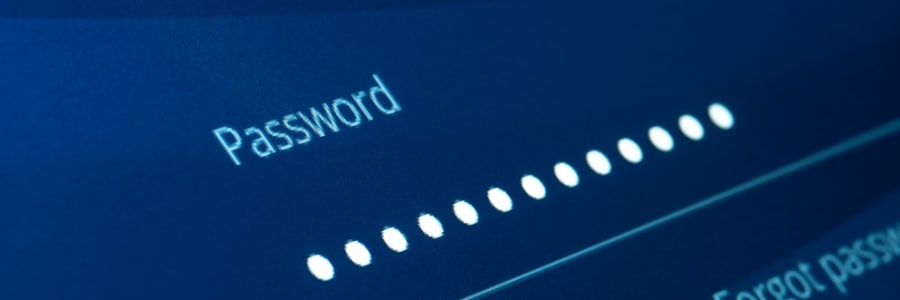
If you’re like most people, you probably have passwords that are easy to remember or use the same one for multiple accounts. But by doing either of these, you could be putting yourself at risk to cyberattacks. To ensure the security of your online accounts, follow the latest password guidelines from the National Institute of Standards and Technology (NIST), which we’ve outlined for you in this blog.
Update your passwords now
Why your company should care about HIPAA compliance

If your organization handles sensitive patient information, you need to comply with HIPAA. Failure to do so can result in fines and penalties. Read on to learn more about the importance of HIPAA compliance to businesses like yours.
What is HIPAA
The Health Insurance Portability and Accountability Act of 1996 (HIPAA) is a federal law that establishes national standards to safeguard sensitive patient health information from being released without permission.
What is firmware and why is it important?
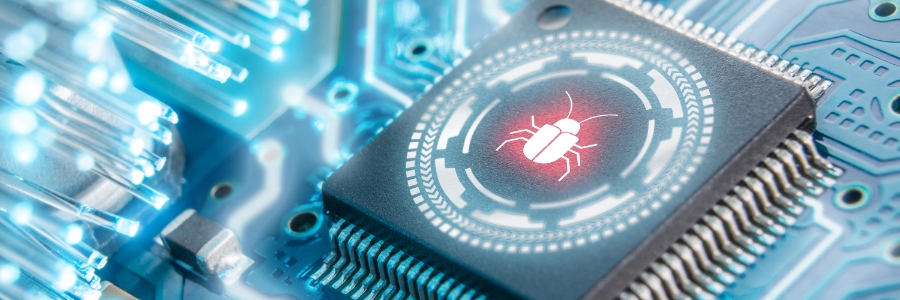
Securing your small business is a never-ending battle, but there are some steps you can take to make it a little bit easier. One of those steps is making sure your firmware is up to date. But what is firmware and why is it crucial to update it regularly? Read on to learn more.
What are the costs associated with owning a VoIP system?

Voice over Internet Protocol (VoIP) systems are a more cost-effective alternative to traditional phone systems. For a fixed monthly bill, you get enterprise-grade business communication tools but without the expensive call rates of old landline telephones.
What is single sign-on and why should you be using it

If you use multiple applications and accounts for work, you know how frustrating it can be to have to enter different usernames and passwords for each one. That’s where single sign-on comes in.
What is single sign on?
Single sign-on or SSO is an authentication method that lets users access several applications and websites with a single set of login credentials.
Avoid these 5 common IT investment mistakes

Investing in new technology is a great way to drive business growth. For instance, purchasing new servers can boost your employees’ ability to multitask and their productivity, while subscribing to a project management solution can help everyone meet their deadlines.
What you need to know about the new Windows 11 update

The long-anticipated Windows 11 2022 update, or Windows 11 version 22H2, has now been released. This upgrade was the result of a year of development and testing done through the Windows Insider Program. Here are the latest changes and features that come with this update.
7 Ways to keep your email account safe
Email is one of the most essential business tools today. It enables swift, efficient communication within a company and with their customers and partners. Email’s popularity among businesses is what makes it a target for hackers looking to get ahold of critical business and client information.
Are EHR systems better than paper-based systems?

Healthcare companies now realize that paper-based medical records have more drawbacks than advantages, and that it’s time to switch to electronic health records (EHRs). However, while EHR systems improve the provision of patient care, they are not without their drawbacks.
BYOD and CYOD: What can they do for your business?

When it comes to choosing the right work device policy for your business, you will likely come across two options: bring your own device (BYOD) and choose your own device (CYOD). Both of these solutions have their own unique benefits, but which one is right for your business? Let’s take a closer look at both BYOD and CYOD.
What is BYOD?
With BYOD, employees use their own devices, such as smartphones and laptops, to connect to the company network, access business data and applications, and perform work-related tasks.